Strong AC airflow is essential for keeping your home comfortable, energy-efficient and cool, especially during long, hot summers in the Southeast. When airflow is weak, your air conditioner has to work harder to cool your home. This can lead to uneven temperatures, higher energy bills and unnecessary strain on the system.
Homeowners in humid regions share similar frustrations. Some rooms feel warmer than others, vents barely push out air or the AC runs constantly without providing relief. The good news is that some airflow problems are easy to fix on your own, while others indicate it’s time to call a professional.
Understanding how to improve airflow from air conditioner vents helps you stay comfortable in the summer heat while keeping your system running efficiently. In this guide, you will find practical ways to improve your AC airflow and recognize when to call an expert for peace of mind.
Before you can fix weak airflow, you need to understand what’s causing it. Several issues can restrict airflow in an air conditioning system. Some develop gradually over time, while others can show up suddenly.
Several common issues restrict air movement through your cooling system:
Sometimes, airflow problems are not obvious until you know what to look for. Weak airflow doesn’t always mean your AC has stopped working. Often, the system is running, but not delivering air effectively. Recognizing airflow problems early helps you address them before they lead to bigger issues.
Look out for these signs:
If your AC vents are blowing weak air, there are several steps you can take yourself before seeking professional service. These actions can quickly enhance performance and help rule out simple issues.
A clogged air filter is often the main cause of airflow problems. When filters become filled with dust and debris, airflow slows significantly. Most homeowners should check their filters monthly and replace disposable filters every one to three months. While higher MERV-rated filters can enhance air quality, overly restrictive filters may limit airflow, so finding a balance is crucial.
For central systems, learning how to increase airflow in central air conditioning often begins with improving airflow throughout the home. Air needs a clear path both into and out of your system. Furniture, rugs, curtains or closed vents can block airflow and create pressure problems. Return vents are especially important because they draw in air for the system. Keep these areas open and free of obstructions throughout your home.
Your air conditioner relies on unobstructed airflow to work properly. Indoor units should be dust-free, while outdoor condensers require adequate clearance. Maintain at least two feet of space around the outdoor unit and routinely remove leaves, grass and debris to support consistent airflow.
Most thermostats have “auto” and “on” fan settings. Setting the fan to “auto” keeps it running only during cooling cycles, helping control humidity. The “on” setting keeps the fan running continuously. This can improve circulation but might increase humidity in certain climates.
Using the correct setting can improve comfort and airflow efficiency.
While DIY fixes may resolve simple issues, some airflow problems need professional tools and experience.
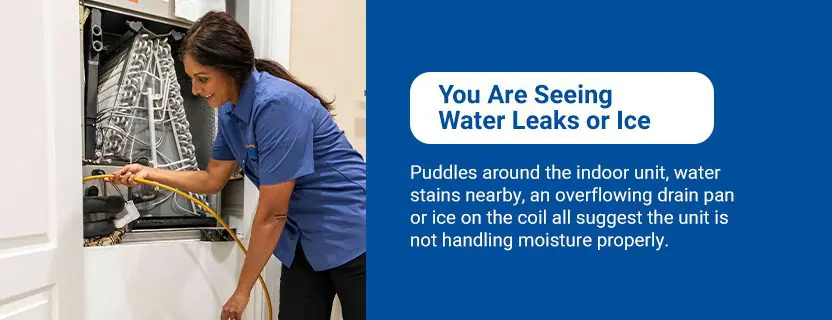
Duct issues are common throughout the Southeast, especially in older systems. Professional duct inspection identifies leaks, disconnections and crushed sections that restrict airflow. Technicians use cameras and airflow meters to find problem areas and restore proper circulation.
Not sealing duct leaks can reduce heating and cooling system efficiency by as much as 20%. Professionals use mastic sealant or metal-backed tape — not regular duct tape — for long-lasting repairs that enhance airflow and reduce energy waste.
The blower motor and fan move air through your ducts. When these parts wear out or get dirty, airflow suffers.
Professionals clean blower wheels, check motor operation and ensure fan belts on older systems are properly tensioned. They also verify that the blower speed is set correctly for your home’s needs.
Low refrigerant levels reduce cooling and affect how air moves through your system. Certified technicians locate refrigerant leaks, repair them and recharge your system to the right level.
This work requires specialized equipment and EPA certification, so it’s strictly a professional service.
Homes with multiple zones or long duct runs sometimes need professional balancing. Technicians adjust dampers in your ductwork to ensure each room receives adequate airflow.
This process involves measuring airflow at each vent and making precise adjustments for even distribution throughout your home.
When airflow improves, your air conditioner works less to cool your home. Proper airflow helps your system maintain consistent comfort and operate more efficiently. It also provides:
Improving airflow allows your AC to cool your home better while protecting its long-term performance.
Strada Services prioritizes your peace of mind. With decades of experience serving homeowners in Florida and surrounding states, our team knows how local climate conditions impact cooling systems.
We focus on clear communication, prompt service and practical solutions that enhance comfort and efficiency. Whether the fix is minor or requires a deeper inspection, we guide you through the process with transparency and care.
Improving airflow doesn’t always mean replacing your system. In many homes, especially those in Florida and across the Southern U.S., homeowners can improve AC airflow without replacing the unit by making specific upgrades that make the existing system run more efficiently. With prompt service, local expertise and a Best Price Guarantee on new AC systems, Strada Services helps homeowners make confident choices about their comfort.
Don’t wait for weak airflow to lead to a complete system breakdown. If your home isn’t cooling properly, let Strada Services assist you.
Call Strada Services today or schedule an appointment using our online scheduling tool for expert support focused on comfort, efficiency and reliability. Our team will identify what’s blocking your airflow and recommend the best solutions for your home and budget.


Joe Strada, owner of Strada Electric, Security & Air Conditioning, started working at the young age of 14. He’s never attended college, but he has spent his life dedicating his time and energy to his trade and providing high-quality services to his customers. At 19, Joe started working at a well-known air conditioning company and developing his commitment to excellence. He has state certifications in electric, plumbing, air conditioning, residential building and general contracting. During his years of training and experience, Joe noticed a sincere need for a dependable electrical contractor in Florida who embodied the same dedication to customer service in which he believed. In 2003, Joe co-founded Strada Electric, Security & Air Conditioning. Since then, the company has been in the business of providing peace of mind to customers. We offer expert electric, security and air conditioning solutions for homes and businesses, leveraging our experience to deliver professional and responsive service with reliability and respect.