If you own a home or manage a commercial property, you’ve likely encountered news about upcoming changes to air conditioning and heating refrigerants. The refrigerant phase-out is a nationwide initiative driven by federal regulations to reduce environmental impacts, specifically greenhouse gas emissions.
We understand that these changes can seem confusing or even concerning, leading to questions like whether you need to replace your system immediately or if new refrigerants are safe. The good news is, if your current air conditioning or heating system is performing well, there’s likely no need to rush into a replacement. With the right information, you can make confident decisions about your system’s future. Learn more about the new refrigerants and tips for navigating the transition below.
Two key factors are driving this nationwide shift — federal environmental regulations and the urgent need to reduce greenhouse gas emissions.
The shift to new air conditioning and heating refrigerants is driven by federal regulations aimed at protecting the environment. In 2020, Congress passed the American Innovation and Manufacturing (AIM) Act, which authorized the Environmental Protection Agency (EPA) to phase down hydrofluorocarbon (HFC) use by 85% by 2036.
Starting in 2025, new AC and heat pump units must use refrigerants that meet the EPA’s global warming potential (GWP) limit of 700. The refrigerant currently used in most residential systems, R-410A, has a GWP of 2,088, which is well above the new limit. This means manufacturers can no longer produce new systems using R-410A after the start of 2025.
To understand why these changes matter, it helps to know how refrigerants impact the environment. HFCs like R-410A are potent greenhouse gases that trap heat in the atmosphere hundreds to thousands of times more effectively than carbon dioxide (CO2). According to research from the Rocky Mountain Institute, R-410A has a GWP of approximately 2,000, meaning it’s 2,000 times more potent than CO2 per pound of gas.
The previous generation of refrigerants, R-22, commonly known as Freon, was phased out due to its harmful effects on the ozone layer. The new A2L refrigerants, R-454B and R-32, have much lower GWPs — under 700 — making them far less harmful to the environment.
Before diving into specific refrigerant types, it’s helpful to understand GWP and A2L classification.
GWP is a metric measuring the amount of heat a greenhouse gas traps in the atmosphere relative to carbon dioxide (CO2). A higher GWP means a greater environmental impact. This trapped heat contributes directly to global warming and climate change, which is why federal regulations are pushing for refrigerants with much lower GWP values.
Lower GWP refrigerants reduce climate impact without sacrificing the performance you expect from your cooling and heating system. By switching to lower GWP refrigerants, we can significantly reduce the climate footprint of our heating and cooling systems without sacrificing the performance you expect.
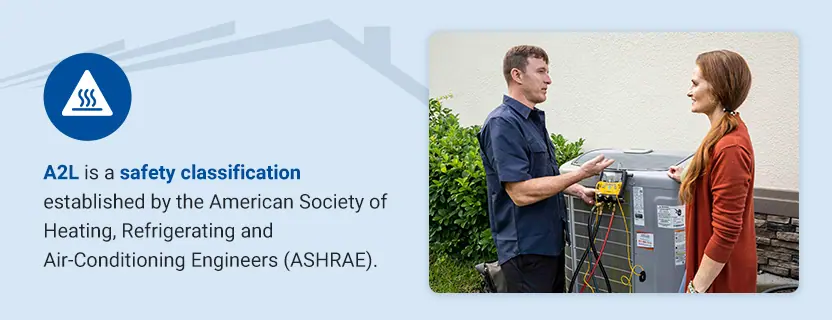
A2L is a safety classification established by the American Society of Heating, Refrigerating and Air-Conditioning Engineers (ASHRAE). The A indicates low toxicity, meaning the refrigerant is non-toxic. The 2L indicates mildly flammable, with lower flammability.
A2L refrigerants require very specific conditions to ignite: a high concentration of leaked refrigerant, an ignition source and sufficient oxygen at the same time. In properly installed and maintained systems, the risk of ignition is extremely low.
R-454B and R-32 are the two primary A2L refrigerants used in residential air conditioning and heating systems. These refrigerants have been used globally for years in automobiles, ductless mini-split systems and household refrigerators.
New air conditioners and heat pumps are designed with built-in safety features to mitigate flammability risk.
With a better understanding of GWP and A2L refrigerants, let’s compare the current standard refrigerant with the new alternatives replacing it.
R-410A has been the refrigerant of choice for most residential air conditioning and heating systems since 2010. It replaced R-22 (Freon), which was phased out due to its damaging effects on the ozone layer.
R-410A is classified as A1, meaning it’s non-flammable and non-toxic. While it performs well in cooling and heating systems, its high GWP of 2,088 makes it problematic from an environmental perspective. As of Jan. 1, 2025, R-410A will no longer be used in new systems manufactured in the United States.
For whole-home air conditioning and heating, R-454B is emerging as the leading refrigerant, replacing R-410A along with R-32. It offers a significantly lower environmental impact than R-410A, with a GWP of 466, while delivering comparable or even better energy efficiency.
R-32 is commonly used in ductless mini-split systems. It has a GWP of 675, which is still well below the EPA’s 700 limit. Both refrigerants are classified as A2L and require equipment specifically designed for A2L use, which includes safety features like leak detection sensors, automatic shut-off valves and ventilation activation systems.
Knowing the key dates helps you plan whether to maintain your current system or invest in an upgrade. Here are the two most important milestones:
The first major milestone is Jan. 1, 2025. After this date, no new air conditioners or heat pumps can be manufactured using R-410A. New HVAC systems must use refrigerants with a GWP less than 700, such as R-454B or R-32. Many manufacturers have already started shipping A2L-compatible systems in preparation for the transition.
Jan. 1, 2026, marked the installation deadline for R-410A systems. Systems with components manufactured before Jan. 1, 2025, can still be installed until this date, but after that, only A2L systems can be installed.
It’s important to note that existing systems using R-410A can continue operating indefinitely. There’s no legal requirement to replace a working system, and R-410A refrigerant will remain available for repairs and maintenance for many years to come.
It’s normal to learn about these changes and wonder whether or not you need to replace your current system. Here’s what you need to know about continuing to use R-410A and equipment compatibility.
Yes, if your system is currently using R-410A and it’s working well, you can continue using it. There’s no legal requirement to replace a working system, and R-410A refrigerant will remain available for servicing and repairs for the foreseeable future.
Only new equipment manufactured after Jan. 1, 2025, is subject to the EPA mandate. Your existing air conditioner or heat pump can operate throughout its typical lifespan of 10 to 15 years without any issues.
A key point to remember is that A2L refrigerants should not be used in R-410A-designed systems. This isn’t just a matter of preference — it’s a safety and performance issue.
New refrigerants require specifically designed equipment, including redesigned compressors, expansion valves and electrical components. Retrofitting an existing R-410A system to use A2L refrigerants is not possible or safe. If you need a new air conditioner or heat pump after 2025, it will use A2L refrigerants.
Safety is a top concern for homeowners learning about A2L refrigerants. Understanding what mildly flammable means and the built-in safety features of new systems can provide peace of mind.
The term mildly flammable can understandably raise concerns, but it’s important to put this classification into perspective. For ignition to occur, there must be a high concentration of leaked refrigerant in a confined space, an ignition source, such as a spark or an open flame, and sufficient oxygen. In properly installed air conditioning and heating systems with adequate ventilation, the likelihood of these conditions occurring is extremely low.
A2L refrigerants are less flammable than propane or natural gas. When ignited, the flame spreads slowly and self-extinguishes when the heat source is removed.
New air conditioning and heating systems using A2L refrigerants are equipped with advanced safety features designed to minimize risk, including leak detection sensors, automatic ventilation systems, shut-off valves and permanent labeling showing the refrigerant type and weight.
All A2L systems must meet the strict safety requirements of ASHRAE Standard 15. Professional installation following manufacturer guidelines is essential to ensure these safety systems function properly.
Understanding the financial aspects of the refrigerant transition helps you make informed decisions about timing and budgeting for potential upgrades.
New air conditioning and heating systems using A2L refrigerants do cost more up-front than older R-410A systems. Industry estimates suggest that new A2L systems can cost more due to additional safety components and redesigned equipment.
However, this higher initial investment can be offset by long-term energy efficiency improvements. Many A2L systems offer better performance and lower operating expenses. Additionally, newer systems often qualify for rebates, tax credits and financing options that can make the upgrade more affordable.
If you’re wondering whether you’ll still be able to get R-410A refrigerant for repairs, the answer is yes. Production will gradually decrease over time, similar to the phaseout of R-22. However, because millions of systems across the country use R-410A, supply will continue to meet demand for servicing existing equipment well into the future.
Taking a proactive approach to your air conditioning or heating system ensures you’re prepared for the transition without unnecessary stress or expense.
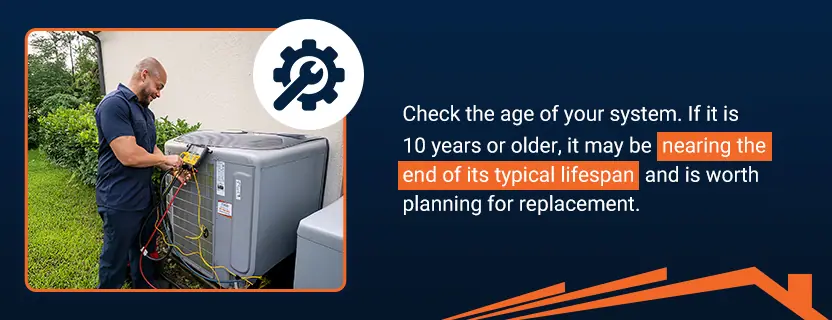
The first step is to understand where your current system stands. Check the age of your system. If it is 10 years or older, it may be nearing the end of its typical lifespan and is worth planning for replacement. You can determine what refrigerant your system uses by checking the label on the outdoor unit.
If your system is working well and relatively new, continue with regular maintenance to extend its life. If your system is experiencing frequent issues or nearing the end of its life, now may be a good time to explore upgrade options.
Scheduling regular maintenance is one of the best ways to extend your system’s life and catch refrigerant leaks early. Ask your service professional about your system’s expected remaining lifespan and whether it makes sense to maintain or replace.
If you’re considering a replacement, explore new HVAC refrigerants and A2L systems and compare energy efficiency ratings (SEER2) to find the best fit for your home. Working with qualified professionals who are familiar with A2L installation requirements and safety standards can be beneficial in finding the right equipment for your property.
The shift to new refrigerants doesn’t have to be stressful. Whether you’re maintaining an existing system or planning for an upgrade, having the right partner makes all the difference. Strada Air Conditioning & Heating has been serving homeowners throughout the Southeast since 2003, providing expert air conditioning, heating, electrical, security, and plumbing services.
You don’t need to hire four companies to handle your electrical, security, plumbing and air conditioning needs. Strada Services is your single source for comfort and peace of mind. Our fully licensed company works with highly trained and professional technicians who stay up to date on the latest industry changes, including A2L refrigerant systems and installation requirements.
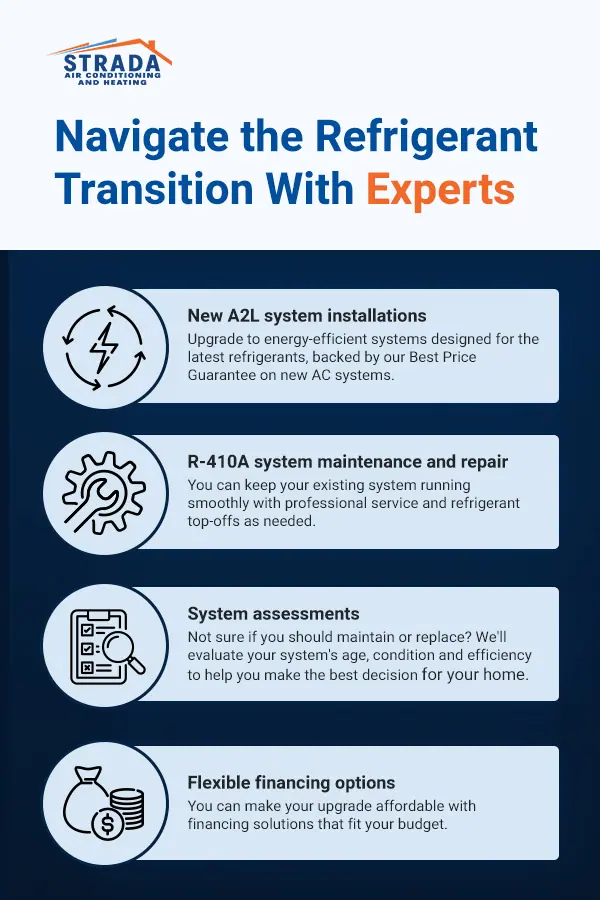
Whether you need a system assessment, maintenance for your current R-410A system, or a new A2L-compatible installation, we’re here to provide honest recommendations and transparent pricing. We can help with:
The refrigerant transition is bringing changes, but securing your home’s comfort and efficiency doesn’t have to be a headache. Strada Services makes it simple. Our expert team is equipped to provide all the information and service you need, ensuring you’re prepared for the future of HVAC.
Whether you need a thorough assessment of your current system, expert maintenance and repair for your R-410A unit or a seamless upgrade to a new, energy-efficient A2L system, we have you covered.
Schedule an appointment online to get started today.