Family-Owned Since 2003
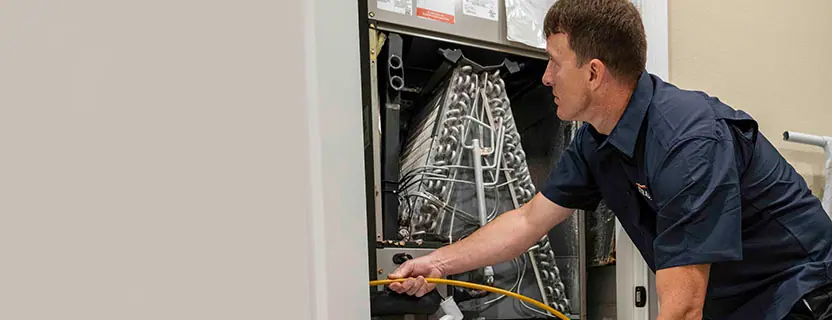
As a homeowner, you know the sinking feeling of turning on your heater only to realize it’s not working. Whether you need warmth for a day or a month, having a functional unit can be the difference between an uncomfortable and enjoyable winter. That’s why maintaining your heat pump or home furnace is crucial.
But how do you know when your heater is not performing, and what signs should you look for? Our guide to heating maintenance tips is an excellent way to identify issues you might experience and find suitable solutions to address them.
While our service areas usually enjoy mild winters, temperatures here can sometimes dip as low as 40 degrees Fahrenheit. A heating system is essential on these chilly days.
Whether you have a heat pump or a traditional furnace, keeping it in tip-top shape throughout the year ensures you’re ready for lower temperatures and cold fronts. Here are some winter and summer central heating maintenance tips in the Southern U.S.
You might use your heat pump primarily for cooling your home — on colder days, you and your family must stay cozy. Maintaining your heating and cooling system throughout the year is vital. Here are some essential heat pump and home furnace maintenance tips to ensure your home is comfortable in winter.
Your air filter traps and collects dust, which is essential for maintaining indoor air quality. Over time, debris builds up in your air filter, clogging it. This blockage can prevent your filters from pulling in air and removing allergens and pollutants like mold and mildew, which can cause illness. It can also mean your heating system must work harder, straining and overworking the unit.
A clogged filter can distribute air unevenly, affecting indoor temperatures. One way to prevent clogged-up filters is by changing them frequently. Air filters are often inexpensive and convenient to change, whether you DIY the job or get professional help.
Listening to your heating system is a vital inspection component. Various noises can indicate your heating pump needs maintenance or repairs. Scraping or scratching sounds can mean friction between metal components and issues with the blower motor. Banging or popping noises could signify metal air duct contact, which may indicate a combustion problem that needs repairs.
Your ductwork has the ideal summer temperatures for attracting small animals and rodents. When animals make a home in these humid, narrow spaces, they can damage the exterior, causing holes and openings. Air can escape, impacting your heating functionality and internal temperatures. These holes can also cause leaks, leading to mold, mildew growth and debris buildup in your ductwork.
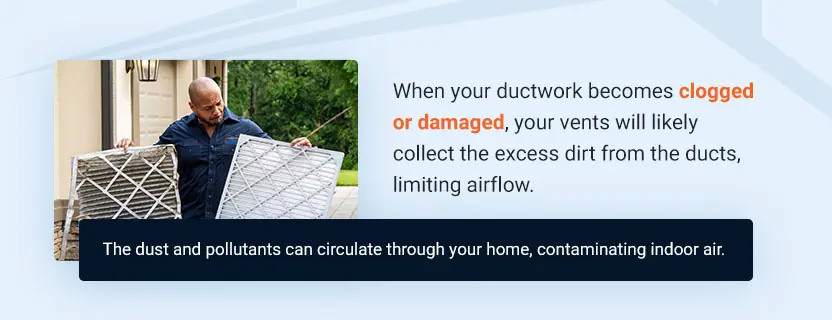
When your ductwork becomes clogged or damaged, your vents will likely collect the excess dirt from the ducts, limiting airflow. The dust and pollutants can circulate through your home, contaminating indoor air.
Professional duct and vent cleaning is an excellent way to improve indoor air quality. If your vents often have excess debris and your airflow is uneven, it can indicate a problem that calls for experienced attention.
Cleaning in and outside your heating system maintains your unit and preserves indoor air quality. When cleaning your home, remove and clean your heating pump components like the air filter and tension belt. Your blower motor and interior features will also need frequent dusting. If you prefer to have your heat pump professionally cleaned, you can schedule a routine service for a thorough inspection.
After cleaning your interior heating system, remove dirt and debris around the exterior unit. Trees and vegetation can grow on or around your heat pump. Your greenery might clog the pump airways, impeding your airflow and reducing your heating system efficiency. While manufacturers’ guidance on clearing obstructions around your heat pump might differ, keeping one to two feet of landscaping away from the outdoor unit is a good rule of thumb.
One way to prepare for various temperatures is to inspect and tune up your heat pump seasonally. Tuneups in spring and fall can get your heat pump in good shape for hot and cold weather. Proactive maintenance prevents excessive wear and can extend your heat pump’s life span. It also helps regulate your interior temperatures in fluctuating or temperate conditions.
Excess moisture in your heating system can cause mold and mildew buildup, contaminating your internal air. That’s where your drain pipes come in. The drain or condensate pipes on your heat pumps and furnaces direct moisture away from your unit, preventing mold buildup and air contamination. You must inspect and clean your drain pipes to ensure they function appropriately. While cleaning your condensate line can be a DIY project, it is an intricate job requiring specialized tools and experience.
A blower motor drives the fan in your heater, transferring warm air into your home. It has several working parts, including the air filter. This motor can break down without maintenance. Identifying signs of motor wear and getting suitable maintenance or repair solutions are two of the best ways to care for your blower motor.
Loud sounds like metal grinding and humming from your heating system blower can indicate an issue with your motor wheel or electrics. These issues require a second opinion from a trained maintenance and repair technician.
When your home has air leaks, warm air can dissipate, causing you to leave your heater running for longer. Overexerting your heater or increasing its load can cause premature wear and breakdowns. You must check and seal cracks in your home to preserve your heater’s life span and avoid damage. A professional technician can do an energy audit, identifying and fixing significant air leaks.
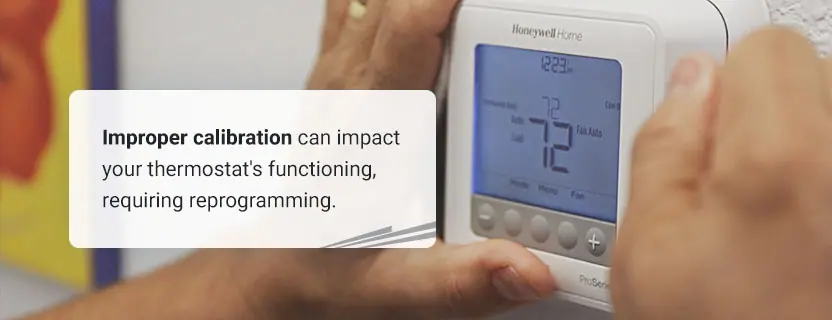
If your thermostat and indoor temperatures do not match, it can be a sign you need maintenance. Improper calibration can impact your thermostat’s functioning, requiring reprogramming. Dirt can also build up in your thermostat, affecting its performance and internal temperatures. A heating system professional can diagnose your thermostat issue and provide suitable maintenance.
Scheduling frequent heating system maintenance is the best way to care for your unit. Annual or biannual heater maintenance can help you prevent significant wear and preserve your unit’s condition. Here are some vital services to do on your heating pump and furnace:
If you have a furnace, you’ll want to ensure it’s in excellent condition before winter. Here are some additional maintenance tips for your heater.
Follow this advice to take good care of your water heater and keep it working well.
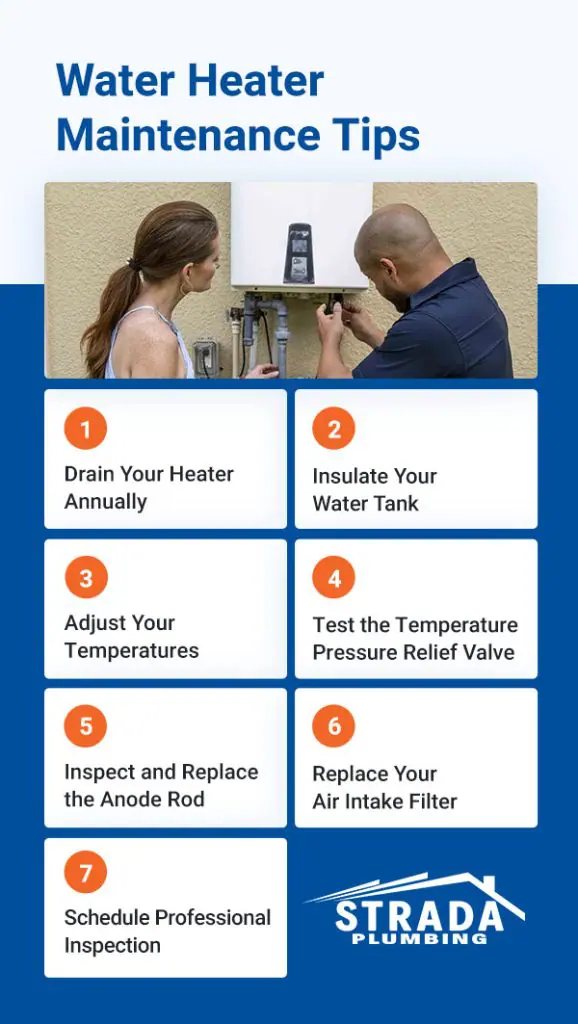
Sediment or organic matter can break down in your water heating tank. This matter builds up over time in your heater, impacting its functionality and efficiency. Flushing your tank is a great way to remove excess sediment and enhance your water heater performance.
You can drain your tank by shutting off the water and power to the appliance and using the attached hose or pipe to channel the water. Letting the water cool properly before filtering out is best to prevent harm. After emptying your water tank, you’ll need to refill it, then turn the water and power back on. Draining your water heater can be intricate and hazardous and is best left to the professionals.
While Florida’s winters are usually mild, insulating your tank can improve your water heater efficiency, saving you on energy bills. Tank insulation can reinforce your water heater and prevent heat from escaping. This insulation layer minimizes your tank heating load, helping you use less energy and save on electricity bills. It can also limit the strain on a conventional water heater throughout the years, meaning you’ll rarely need extensive repairs and it will last longer.
Your water heater’s temperature may be unnecessarily high. An optimal water temperature is often 120 degrees Fahrenheit or lower. In warmer climates, like Southeast Florida, setting your temperatures at 102 to 105 degrees Fahrenheit is often ideal to heat your tank and home. Lowering your heater temperature can minimize your energy usage and save you money. Because adjusting the temperature can be dangerous, contact a professional for safety reasons.
Your temperature pressure relief valve releases water when too much pressure builds up in the tank. By reducing tank pressure, the TPR valve can prevent water leaks, bursts and explosions, which can cause safety hazards like burns and floods. Testing the temperature pressure relief valve is the best way to ensure it works properly.
Professionals can test the valve by opening and closing the lever to check if the water stops effectively. The TPR valve can require maintenance or repairs if the water doesn’t stop when lowering the lever.
The anode rod is a magnet, attracting corrosive minerals in the water tank. Materials like calcium and magnesium in the water will corrode the anode rod instead of the internal tank. Checking and replacing this rod once it corrodes or wears is essential to preserve your water heater tank.
Air intake filters in a tankless water heater create a barrier between the internal and external heater, preventing debris from entering the tank. A buildup of excess debris can impact the heater functionality, so frequently checking and replacing these filters is the best way to keep your tankless heating system functioning and in first-rate shape.
While you can inspect your water heater, professional technicians have the expertise to accurately check and maintain this appliance. They also have experience maintaining and repairing tanks and can do so safely, protecting you and your family. Scheduling frequent services can ensure you get effective water heater maintenance, mitigating extensive damages and extending your appliance’s life span.
Trust Strada Air Conditioning & Heating to help you prepare for cooler temperatures with our expert heater services. Whether you need to repair or maintain your heating system, we provide prompt, professional attention.
As a family-owned business with 20 years of industry experience, we know the importance of maintaining your Southern U.S. home before winter. Our licensed company employs experienced and trained professionals who can safely and accurately inspect, test and service your furnace, water heater and heat pump.
We can provide heating systems maintenance tips and solutions to ensure your heating unit is in peak year-round condition. Schedule an appointment online to get started with us today.

Joe Strada, owner of Strada Electric, Security & Air Conditioning, started working at the young age of 14. He’s never attended college, but he has spent his life dedicating his time and energy to his trade and providing high-quality services to his customers. At 19, Joe started working at a well-known air conditioning company and developing his commitment to excellence. He has state certifications in electric, plumbing, air conditioning, residential building and general contracting. During his years of training and experience, Joe noticed a sincere need for a dependable electrical contractor in Florida who embodied the same dedication to customer service in which he believed. In 2003, Joe co-founded Strada Electric, Security & Air Conditioning. Since then, the company has been in the business of providing peace of mind to customers. We offer expert electric, security and air conditioning solutions for homes and businesses, leveraging our experience to deliver professional and responsive service with reliability and respect.


 Pay Online