Family-Owned Since 2003
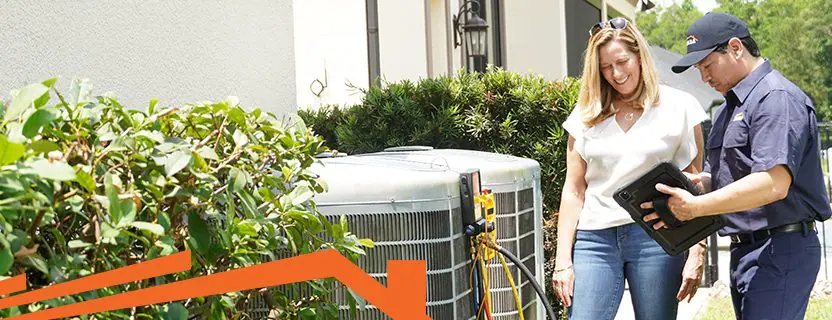
There’s a common scenario that people are still experiencing in homes everywhere. You need to get some fresh air circulating in a stuffy house during the winter months, but doing so leads to cold air shooting through your home. In turn, this causes you to increase your heating energy usage, leaving you with more bills to deal with during the winter.
Knowing how to ventilate your home in winter without surging energy costs is vital. You and your family deserve clean air and a comfortable home without having to deal with a spike in energy costs. To help you find the perfect medium, here are five tips for ventilating your home in the winter.
Your home will inevitably be cooler in the winter. Many of us will avoid airing out our homes in the hopes of keeping the place cozy. But a tightly sealed house can increase the risk of common indoor pollutants like dust, cooking fumes and pet dander being trapped in the home with you and your loved ones.
The benefits of fresh air circulation in winter for people indoors and their homes include:
Understanding the importance of winter home ventilation is crucial. But having the knowledge of how you can improve your air quality indoors is what’s going to get results.
Improving the indoor air quality (IAQ) of your home doesn’t always mean it will waste energy. Pollution prevention and indoor energy efficiency don’t have to be treated as separate issues. There are many solutions to help with both, from day-to-day tips to systems that take care of your air circulation needs.
Below are some of these key ventilation strategies for the winter months.
No one wants to spend their winter with wide-open windows all day. So, how can you exchange air indoors without affecting the heat mass within your home? In Germany, a popular method of ventilation known as Stoßlüften, which translates as purge or shock ventilation, is used. This method involves widely opening windows on opposite sides of a house for 5-10 minutes, creating a steady stream of fresh air.
This quick exchange of air means that surfaces like walls and floors don’t get too cold. In other words, new air enters the home, but the heat stored in the structure of the house remains. Aim to open windows during the warmest parts of the day to reduce the risks of your home cooling down too much while you do this.
Kitchen and bathroom ventilation fans are extremely effective at removing moisture and improving IAQ in humid climates. During the winter season, cooking in the kitchen and hot showers can create humid conditions where moisture and pollutants can thrive.
It’s easy to forget one of the simplest ventilation strategies — using your kitchen fan when you cook and running your bathroom fan for at least 30 minutes after a bath or shower. Doing so helps to reduce indoor pollutants at the source.

Reducing uncontrolled air leaks is a priceless tip for properly ventilating your home in the winter. Eliminating the drafts that enter your house and the warmth that leaves through poor seals can potentially save 5%-30% of your annual energy costs. Sealing up any gaps around your windows and doors means you’re in control of when you want to ventilate intentionally.
Apply caulk to cracks and gaps less than a quarter inch wide, and use weatherstripping for areas of the home with moving components.
Your heating, ventilation and air conditioning (HVAC) system can be the ultimate deciding factor in how to ventilate your home in winter. Some older, outdated units use considerable energy, and poorly maintained units may even contribute to your indoor pollutants buildup.
However, innovative new home filtration systems mitigate these issues, acting as the ideal medium between controlling indoor ventilation and staying energy-conscious. They offer eco-friendly benefits like solar-powered energy to maintain your ventilation needs while reducing utility bills. There are also models with smart thermostats and high Seasonal Energy Efficiency Ratings (SEER), meaning less electrical consumption.
No two rooms in your house are the same, so ventilating your home in winter should include a different approach to each area. This approach will help you identify indoor air pollution in each room, and it’s also one of the best winter ventilation tips for any home, as you know your house better than anyone.
Here are some great methods for ensuring everyone in your home enjoys the benefits of fresh air circulation in winter in every room.
Finally, ventilation for winter should include a dehumidifier to control humidity levels at home. Aim for an indoor humidity level of 30%-60%.
While these tips are helpful, finding the main cause of poor indoor air quality (IAQ) and knowing how to ventilate your home in winter can be challenging. Balancing a healthy indoor air quality and energy efficiency can be the difference between seasonal issues and peace of mind all year long.
At Strada Air Conditioning & Heating, we believe that the key to healthy indoor air requires careful design, experience and a dedication to improving your family’s well-being. Our indoor air purification systems and air filters combine the best winter ventilation tips for home use and apply them to your specific needs. Request a quote or schedule your service today to find out how our family business can help your family.

Joe Strada, owner of Strada Electric, Security & Air Conditioning, started working at the young age of 14. He’s never attended college, but he has spent his life dedicating his time and energy to his trade and providing high-quality services to his customers. At 19, Joe started working at a well-known air conditioning company and developing his commitment to excellence. He has state certifications in electric, plumbing, air conditioning, residential building and general contracting. During his years of training and experience, Joe noticed a sincere need for a dependable electrical contractor in Florida who embodied the same dedication to customer service in which he believed. In 2003, Joe co-founded Strada Electric, Security & Air Conditioning. Since then, the company has been in the business of providing peace of mind to customers. We offer expert electric, security and air conditioning solutions for homes and businesses, leveraging our experience to deliver professional and responsive service with reliability and respect.



 Pay Online